Fossils & Discovery
Every skeleton in a museum was once a mystery buried in rock. Take a journey across six continents with the real explorers who uncovered some of the most famous dinosaurs of all time.
How does a fossil form?
A dinosaur dies
and its body settles somewhere it can be covered quickly, like a riverbed.
Sediment buries it
layers of mud, sand, and silt pile on top over time, protecting the bones.
Millions of years pass
minerals slowly replace the bone, turning it to stone from the inside out.
A paleontologist finds it
wind, rain, or a lucky dig finally reveal the fossil to the world.
Real fossil hunters, real discoveries
Scroll down to travel the world, decade by decade, and meet the people who found these dinosaurs first. Filter by continent to explore one region at a time.
- 📅 1824🇬🇧 Oxfordshire, England
Megalosaurus
Discovered by William Buckland
Now calls home: Oxford University Museum of Natural History, England
This was the very first dinosaur ever given a scientific name - decades before anyone even knew dinosaurs had existed!
- 📅 1822🇬🇧 Sussex, England
Iguanodon
Discovered by Mary Ann Mantell, with her husband Dr. Gideon Mantell
Now calls home: Natural History Museum, London, England
The giant teeth were so strange that Gideon first guessed they belonged to an ancient rhinoceros - before realizing they came from a totally new kind of animal.
- 📅 1877🇺🇸 Colorado, USA
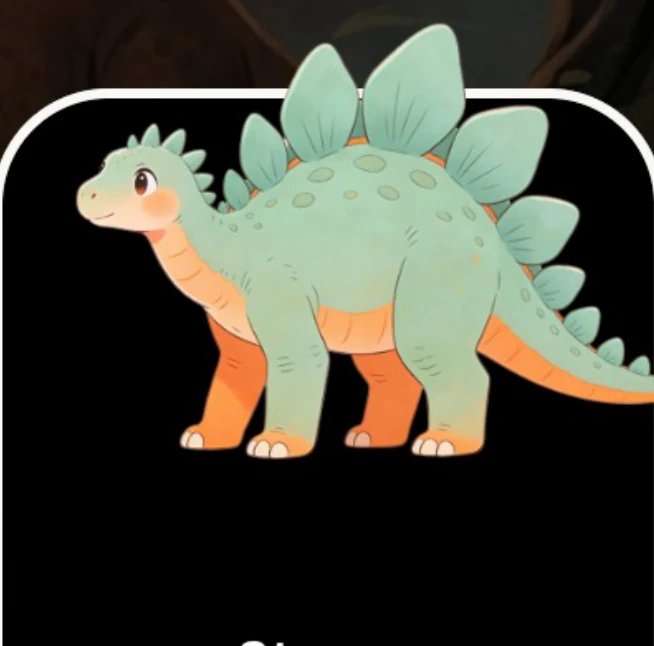
Stegosaurus
Discovered by Arthur Lakes
Now calls home: Smithsonian National Museum of Natural History, Washington D.C., USA
Arthur Lakes was a schoolteacher, not a scientist - he found the bones while surveying land and mailed samples straight to two rival dinosaur hunters!
- 📅 1899🇺🇸 Wyoming, USA
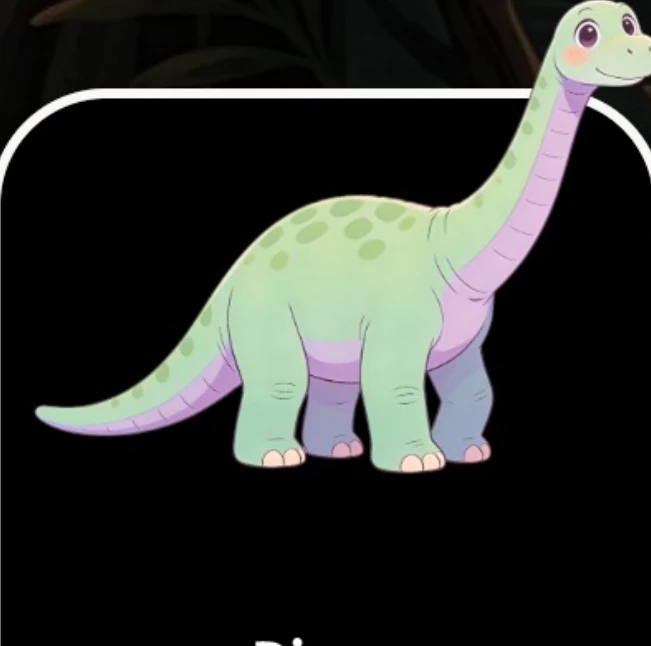
Diplodocus
Discovered by William Harlow Reed
Now calls home: Carnegie Museum of Natural History, Pittsburgh, USA
The skeleton was so enormous that the museum had to build an entire new wing just to fit it - people still call it ‘the house that Dippy built.’
- 📅 1888🇺🇸 Wyoming, USA
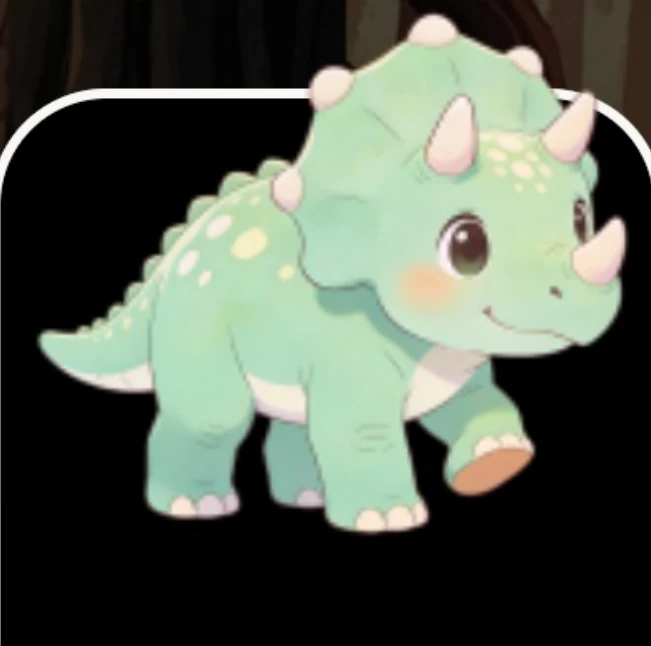
Triceratops
Discovered by John Bell Hatcher
Now calls home: Yale Peabody Museum, New Haven, USA
A cowboy once tried to lasso what he thought was a strange rock sticking out of a hillside - it turned out to be a Triceratops horn!
- 📅 1906🇺🇸 Montana, USA
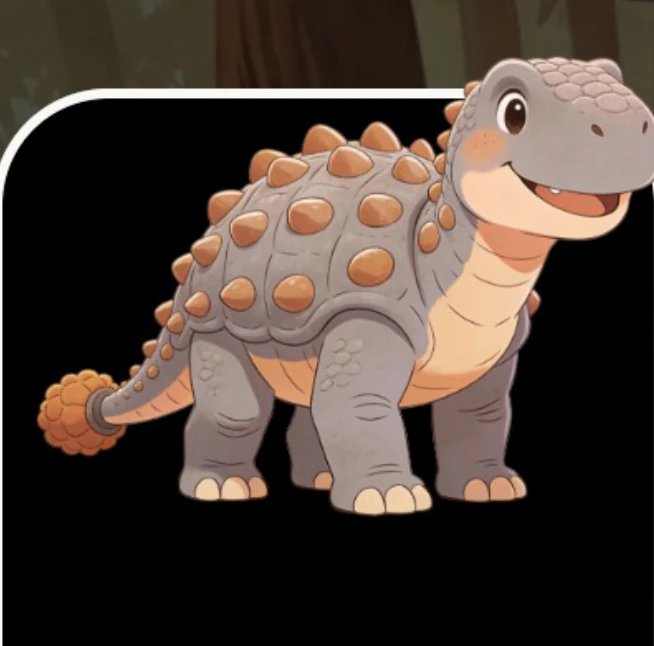
Ankylosaurus
Discovered by Peter Kaisen
Now calls home: American Museum of Natural History, New York, USA
No complete Ankylosaurus skeleton has ever been found - scientists pieced together what it looked like from a skull, some bones, and over 30 armor plates.
- 📅 1902🇺🇸 Montana, USA
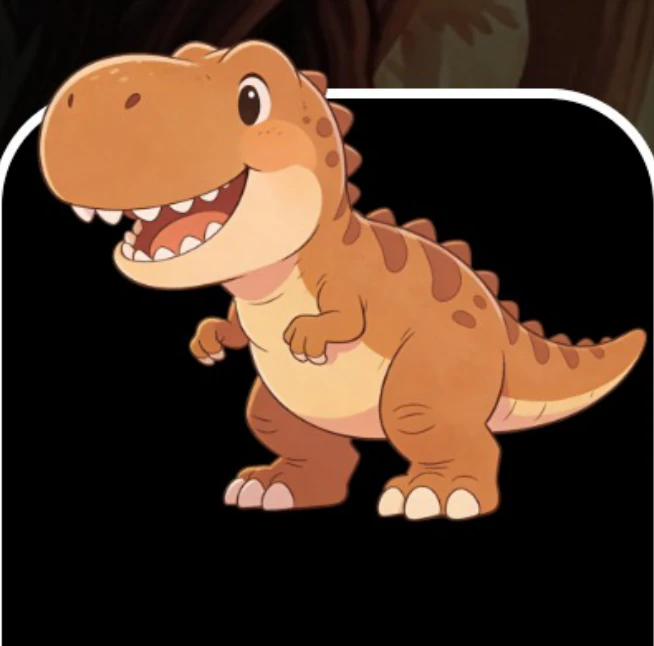
Tyrannosaurus rex
Discovered by Barnum Brown
Now calls home: Carnegie Museum of Natural History, Pittsburgh, USA
This famous T. rex skeleton once traveled cross-country by train - moved from New York to Pittsburgh to help keep it safe during World War Two.
- 📅 1920🇨🇦 Alberta, Canada
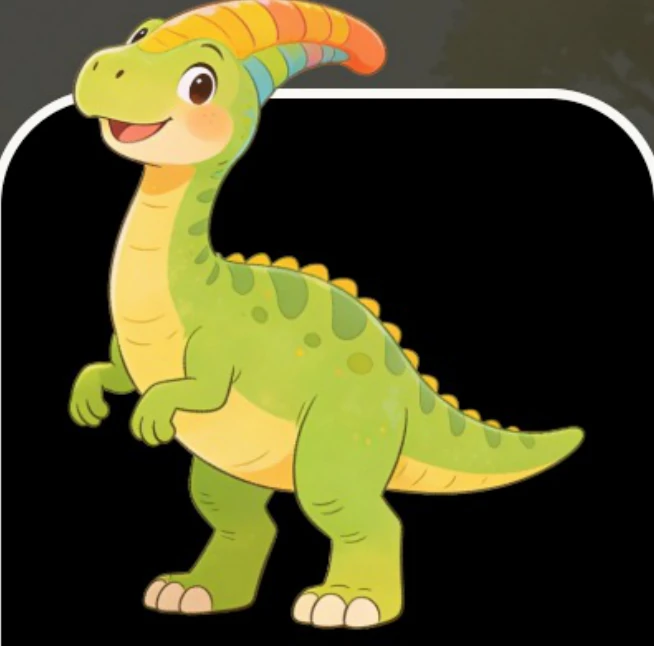
Parasaurolophus
Discovered by Levi Sternberg
Now calls home: Royal Ontario Museum, Toronto, Canada
Levi came from an entire family of fossil hunters - his father and brothers discovered some of the world's most famous dinosaurs too.
- 📅 1909🇹🇿 Tendaguru, Tanzania
Giraffatitan
Discovered by Boheti bin Amrani and over 100 local Tanzanian workers
Now calls home: Museum für Naturkunde, Berlin, Germany
With no roads or trucks nearby, the crew carried the giant bones - wrapped in plaster - on foot for days along a trail to the coast, just so they could be shipped to Germany. A newer Tendaguru dinosaur was later named Australodocus bohetii in Boheti's honor.
- 📅 2013🇲🇦 Kem Kem, Morocco
Spinosaurus
Discovered by A local Moroccan fossil hunter, with paleontologist Nizar Ibrahim
Now calls home: Hassan II University, Casablanca, Morocco
Nizar Ibrahim recognized a box of unusual fossils he'd been shown years earlier when he spotted the same rare, streaked stone in a museum in Milan - then tracked the original fossil hunter back down in Morocco to find the exact spot the bones had come from.
- 📅 1996🇨🇳 Liaoning, China
Sinosauropteryx
Discovered by Li Yumin
Now calls home: National Geological Museum of China, Beijing & Nanjing Institute of Geology and Palaeontology, China
This was the first dinosaur fossil ever found with feathers, proving dinosaurs and birds were connected! Farmer Li Yumin split the single slab in two and sold each half separately - so this famous fossil now lives as two halves in two different museums.
- 📅 1964🇲🇳 Gobi Desert, Mongolia
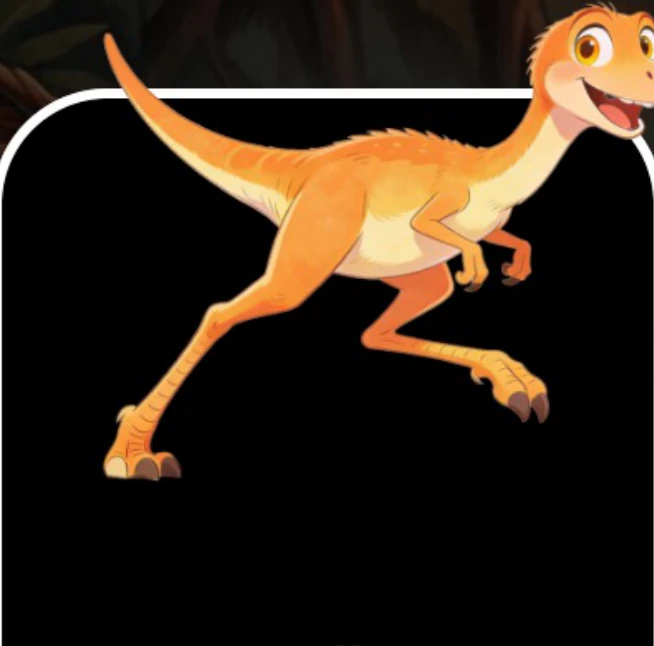
Gallimimus
Discovered by Zofia Kielan-Jaworowska
Now calls home: Mongolian Academy of Sciences, Ulaanbaatar, Mongolia
Its name means ‘chicken mimic’ - scientists thought its long legs and speedy build looked just like a giant chicken!
- 📅 1963🇦🇺 Queensland, Australia
Muttaburrasaurus
Discovered by Doug Langdon
Now calls home: Queensland Museum, Brisbane, Australia
Cattle farmer Doug Langdon found the bones while out mustering cattle on his station. It took nearly 20 years for scientists to name the dinosaur - and when they finally did, they named it ‘langdoni’ in his honor.
- 📅 1987🇦🇷 Patagonia, Argentina
Argentinosaurus
Discovered by Guillermo Heredia, a local rancher
Now calls home: Museo Municipal Carmen Funes, Plaza Huincul, Argentina
Guillermo first thought the giant bone he'd found was just a strange piece of petrified wood - it turned out to be part of the largest dinosaur ever discovered.
Fossils are incredibly rare - scientists believe only a tiny fraction of all the dinosaurs that ever lived left behind a fossil we've found. Every discovery is a little bit of a miracle!